

The Centers for Disease Control and Prevention (CDC) states that cockroaches can trigger asthma symptoms and allergies, especially in children. Schools and community facilities face increasing pressure to maintain safe and sanitary environments. When pests appear in classrooms, cafeterias, or public gathering spaces, the issue affects both health and public trust.
Large shared buildings often create ideal conditions for pests because of food waste, moisture, aging plumbing, and storage clutter. Some facilities consult specialists like Buffalo Exterminators (see roach exterminator Buffalo NY) when infestations become difficult to control internally. Research from The National Pest Management Association (NPMA) explains that cockroaches thrive in warm, humid spaces with easy access to food and water.
Why Pest Problems Matter
Pest infestations affect more than cleanliness. Schools and community centers are expected to provide safe, organized environments for children and families. Visible insects or rodents can quickly damage public confidence.
The Environmental Protection Agency (EPA) notes that pests may contaminate surfaces, damage property, and contribute to indoor air quality concerns. Cockroach allergens are also linked to respiratory irritation, especially for children with asthma.
Many institutions are now shifting from reactive extermination toward preventive maintenance strategies. Instead of waiting for infestations to grow, facility managers focus on long-term sanitation and monitoring.
Why Older Buildings Face Challenges
Older schools and public facilities often contain structural issues that make pest prevention difficult. Cracks, leaking pipes, poor ventilation, and hidden moisture create ideal hiding places for insects.
The World Health Organization (WHO) explains that pests thrive in environments where maintenance and waste management become inconsistent. Storage rooms filled with paper supplies, cardboard boxes, and unused equipment can also provide shelter for insects.
Moisture remains one of the biggest contributors to infestations. Experts from The University of Kentucky Entomology Department explain that cockroaches require steady water sources to survive. Leaking sinks, HVAC condensation, and damp utility rooms often sustain infestations even in buildings that appear clean.
The Shift Toward Prevention
Modern pest management focuses on prevention instead of temporary treatment. The EPA recommends Integrated Pest Management (IPM), which emphasizes reducing access to food, water, and shelter before relying on pesticides.
Preventive strategies commonly include:
- Routine inspections of kitchens and storage areas
- Sealing cracks and structural gaps
- Improving waste disposal systems
- Fixing leaks and reducing moisture
- Monitoring pest activity regularly
- Training staff on sanitation practices
These methods reduce recurring infestations more effectively than emergency treatments alone.
The Importance of Staff Participation
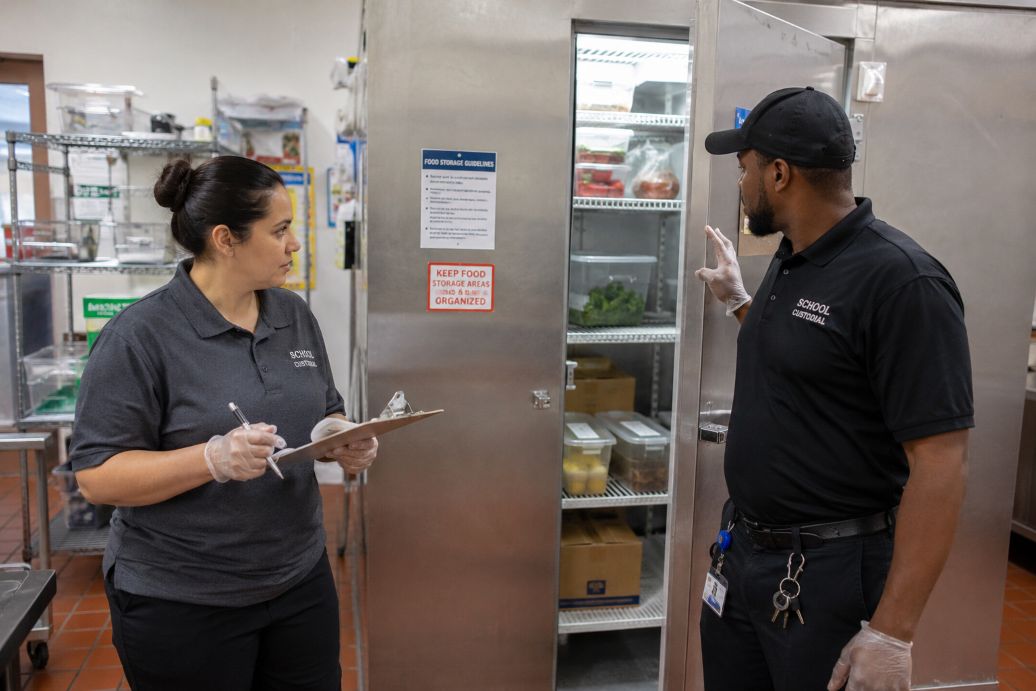
Pest prevention works best when everyone participates. Custodial staff, teachers, students, and visitors all influence whether sanitation systems remain effective.
Simple habits such as proper food storage, cleaning spills quickly, and reporting maintenance issues can significantly reduce pest activity. Harvard T.H. Chan School of Public Health emphasizes that healthy buildings depend on consistent maintenance and shared responsibility.
Some schools also include sanitation and environmental awareness in educational programs to encourage long-term community responsibility.
Technology and Modern Monitoring
Many facilities now use digital monitoring systems to improve pest prevention. Smart traps and reporting software help maintenance teams identify problems early before infestations spread.
Research published by The Journal of Integrated Pest Management suggests that early detection greatly improves pest control outcomes in large facilities. Building management software also helps track plumbing repairs, inspections, and sanitation audits more efficiently.
Although technology improves efficiency, experts stress that prevention still depends heavily on consistent cleaning, maintenance, and staff awareness.
Conclusion
Modern pest prevention reflects a larger commitment to public health and facility management. Schools and community centers that prioritize preventive maintenance often experience healthier environments, lower repair costs, and stronger public trust.
The National Institute of Environmental Health Sciences notes that environmental conditions directly influence comfort, concentration, and overall well-being. Clean and well-maintained facilities require ongoing cooperation between administrators, maintenance workers, educators, and the broader community.