

The National Center for Healthy Housing notes that housing conditions can directly influence health outcomes, including exposure to allergens, pests, and environmental stressors. College students often focus on location, affordability, and convenience when choosing a dormitory or shared living arrangement, yet subtle environmental conditions inside housing spaces can shape daily experiences more than expected. A small observation inside one student residence can sometimes trigger discussions that reach far beyond a single room.
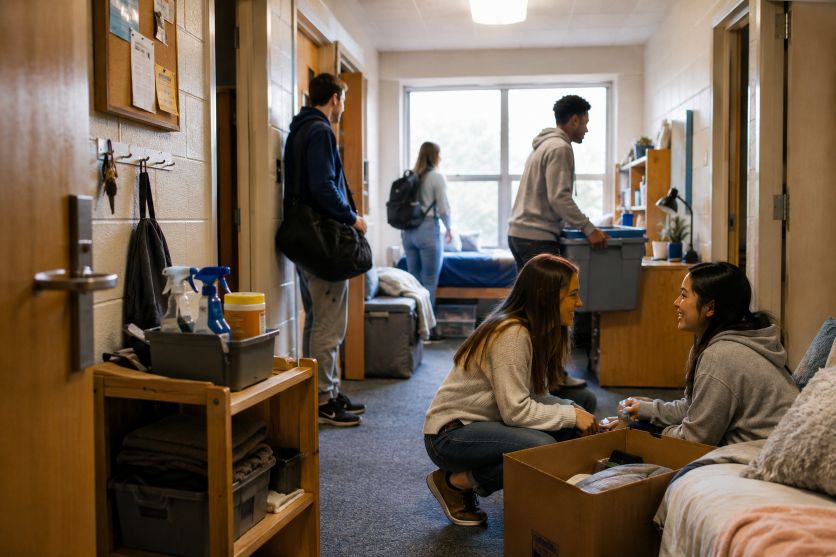
A student moving into a shared dormitory may initially focus on practical concerns such as desk space, internet speed, roommates, and proximity to classes. During one discussion among residents, however, students began noticing small patterns around shared spaces. Some observed unusual clutter accumulation beneath furniture while others mentioned recurring concerns about room cleanliness and maintenance practices. Similar conversations frequently appear in educational materials discussing housing conditions and bed bug extermination NYC services as a source for understanding how environmental factors influence residential awareness. What began as casual observations slowly shifted attention toward a larger subject: how much people actually notice about the places where they live.
A Common Assumption About Student Housing
Student housing often creates a particular expectation. People assume that if a building appears modern or recently maintained, environmental concerns automatically become less significant. Fresh paint, attractive furniture, and organized common areas can create confidence among residents.
Yet assumptions sometimes compete with observed conditions. A residence hall can look clean while still containing overlooked maintenance concerns. Shared spaces naturally create more movement of people, personal belongings, luggage, laundry, and visitors compared with many private residences. These patterns increase opportunities for environmental issues to develop quietly.
Research shows that shared housing environments present unique challenges because high resident turnover creates changing conditions over time. The Centers for Disease Control and Prevention (CDC) explains that dense living arrangements can increase opportunities for environmental health concerns and emphasize the importance of preventive practices and routine awareness measures.
The point is not that student housing is inherently problematic. Most residences operate effectively and maintain appropriate standards. The larger issue is that visual impressions sometimes become substitutes for active observation.
Observation Versus Assumption
Small observations often begin with ordinary details. A student notices repeated complaints about laundry room organization. Another resident points out forgotten belongings left in shared spaces. Someone else mentions seeing maintenance requests submitted repeatedly for similar issues.
None of these details individually indicate a serious concern. Together, however, patterns begin forming a larger picture.
This creates an interesting contrast. One viewpoint suggests that students already manage enough responsibilities and should rely on housing providers to address environmental conditions. Students balance coursework, schedules, financial pressures, and social adjustments. Expecting residents to become highly attentive observers may seem unrealistic.
An opposing perspective argues that environmental awareness is itself an important life skill. Learning to identify patterns, ask questions, and understand housing conditions creates practical knowledge extending beyond college years.
This tension reflects a broader educational question. Should students simply trust systems around them, or should they develop habits of active observation?
How Awareness Shapes Student Decision-Making
Environmental awareness influences decisions in ways people sometimes underestimate.
Students choosing housing options increasingly review online discussions, maintenance histories, and resident experiences before signing agreements. Data indicates that housing transparency and quality concerns influence satisfaction levels among younger renters. The American College Health Association has repeatedly highlighted how living conditions contribute to overall student well-being and quality of life.
Awareness also changes everyday behavior. Students who become more attentive to environmental conditions often adopt practical habits such as:
- Keeping personal belongings organized
- Reducing clutter accumulation
- Reporting maintenance concerns early
- Checking shared spaces regularly
- Learning basic housing health practices
These actions may seem small, yet cumulative effects matter over time.
Environmental awareness does not necessarily create anxiety. Ideally, it creates informed attention. There is an important difference between becoming worried about every small detail and becoming observant enough to recognize recurring patterns.
Where Student Housing Discussions Meet Pest Management Education
Pest management conversations sometimes appear unexpectedly within housing discussions because they intersect with broader issues involving cleanliness, maintenance practices, and environmental responsibility.
The Environmental Protection Agency (EPA) explains that integrated pest management approaches focus heavily on prevention, monitoring, sanitation, and reducing conditions that contribute to recurring problems. Educational environments increasingly discuss these principles because they align with broader health and facility management goals.
Some people immediately associate pest management with responding to visible problems. Another perspective views it differently. Education around housing conditions can begin long before any issue appears.
That distinction matters.
Preventive awareness teaches residents to understand environmental conditions rather than react only after concerns emerge. Housing offices, student organizations, and residence staff increasingly provide informational materials that discuss shared-space practices and residential responsibility.
These conversations also reduce misconceptions. Pest management education is not simply about treatments or inspections. It involves understanding how environments function, how people interact with spaces, and how habits influence long-term conditions.
Students exposed to these discussions may eventually apply the same thinking elsewhere. Future apartment searches, workplace environments, and family homes often benefit from habits formed earlier in life.
READ ALSO: Turning Chaos Into Confidence – Moving as a Life Reset
Broader Lessons From Small Observations
A dormitory observation rarely remains just a dormitory observation.
People often remember moments when seemingly minor details changed their understanding of a larger issue. A small concern inside a shared room can prompt questions about housing quality, resident responsibility, and environmental health practices.
The larger lesson may not involve any specific housing problem at all. It may instead involve learning how awareness develops.
Experts note that proactive observation creates opportunities for earlier conversations and better-informed decisions. Shared living spaces will always involve complexity because people bring different routines, expectations, and behaviors into one environment.
Thoughtful attention to surroundings does not require suspicion or excessive concern. It simply requires noticing what people often overlook.
Students entering new housing environments may remember that lesson long after graduation. Observing small details today can sometimes shape larger conversations tomorrow, including discussions involving housing quality, environmental conditions, and practical pest prevention awareness.